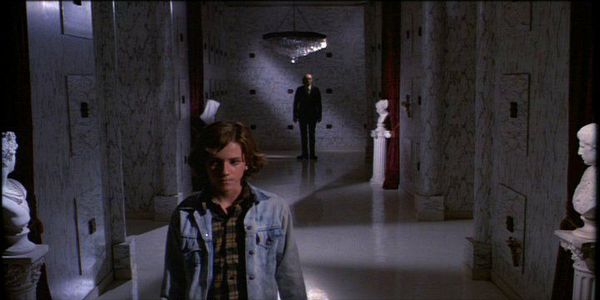
Phantasm III: Lord of the Dead (1994)

Following a dalliance with major-studio funding and distribution courtesy of Universal for Phantasm II, Coscarelli returned to independent financing and a smaller canvas for his second sequel which arrived six years later. With Phantasm III, horror’s weirdest franchise becomes even more of a whacked out funhouse. 

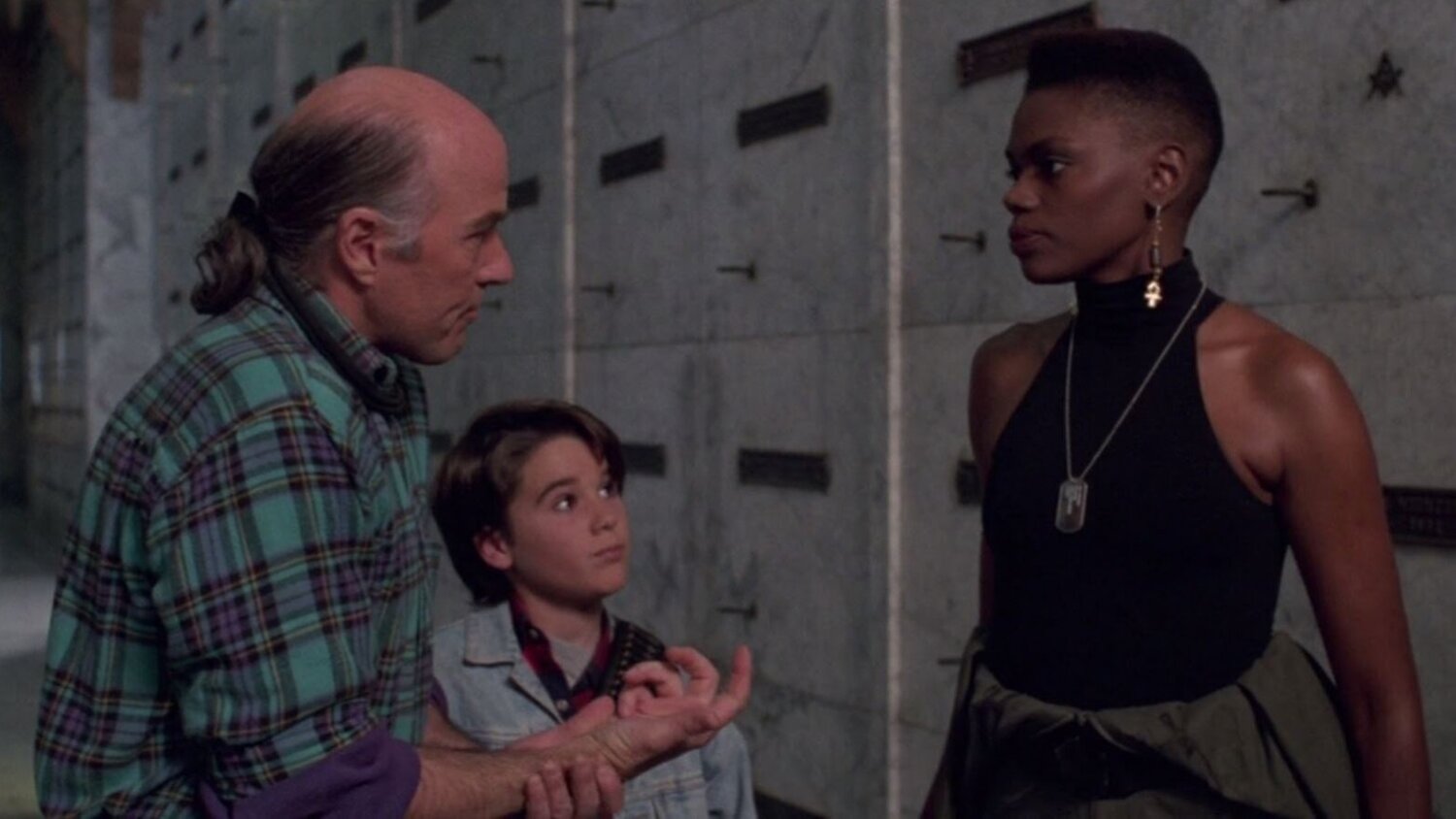
The first time I saw Lord of the Dead it felt like the franchise was on the wane (I probably mistook the step-down in budget as a lack of interest) but watching it again with more affection for Coscarelli’s world and a clearer sense of his ambitions, I found it to go down much easier. Sure, the appearance of a sassy kid with a Home Alone-like knack for booby traps might make you think Coscarelli was entering his late-John Hughes period, but the fact the kid goes further than Kevin McCallister’s PG rating would allow by actually killing off a bunch of invaders, the cutesiness is pretty well balanced out. Coscarelli also makes the point of calling back to final moments of the first Phantasm – an orphaned child sat in front of a fireplace – by somewhat repeating it. The fact this new kid comes complete with denim jacket and checkered shirt (a Reggie trademark) rams the point home even harder. History is repeating itself.

Even though this loses some of the furious pace of Phantasm II, it makes up for it with a larger emphasis on mood and strange ideas. Without a major studio to satisfy, Coscarelli was free to go back to the more dreamy and cerebral language of the first film and lean harder on the abstract. The images of the Tall Man here are some of the best of the series. I’m talking about that opening shot of him surrounded by candles or the low-shot of him beneath a ceiling swarming with killer spheres. That stuff is downright ICONIC and beautifully otherworldly. It’s great to have Mike Baldwin back as Mike too and the refit in the continuity makes so many moments land harder emotionally. When Baldwin and Angus Scrimm come face to face, you can feel the history between them that wasn’t there with James LeGros in the previous movie. The road-movie structure of Phantasm II continues here but is more serrated. We branch off with Reggie as he tries to navigate the desolate highways and deserted towns in the Tall Man’s wake and meets a bunch of colourful new characters. Gloria Lynne Henry’s Rocky is an inspired addition to this universe and is surely this instalment’s MVP. 

The thing I adore about the Phantasm movies is how each subsequent instalment takes the series in a slightly new direction. Coscarelli never simply repeats himself. Whether that means shifting the focus of his protagonists (from Mike and Jody in the first film to Reggie in the first two sequels then back to Mike) or turning the mythology on its head, it always feels fresh and new. Coscarelli’s decreasing budgets only made him more inventive. Instead of going bigger and sillier each time, he had to be more pragmatic and selective. Therefore, the franchise is always progressing and evolving. It is at once slowly closing in on itself by using psyche as a primary canvas, while also becoming more epic and unnerving because of the escalating apocalypse happening increasingly off-screen. In fact, Phantasm might be the only horror franchise that actually reveals more about its villains without diluting any of the threat or mystique. That’s the benefit of building a horror series on such a unique and weird framework. When one of the silver spheres opens up in Phantasm III and reveals a tiny pulsating brain inside, you aren’t disappointed. When Coscarelli brings back Jody and transforms him into an ambiguous golden sphere, you don’t feel like the series is jumping the shark. In a world defined by madness, the eternal strange and the unexplained, things not making sense is exactly how you want it to be. That’s why I love these movies; they teach you to accept the weird.

Watched Arrow blu-ray
Posted in Arrow Films, Reviews, Rewatch | Leave a comment

Citizen’s Band (1977)

Demme’s passing last month hit me pretty hard but instead of mourning endlessly I decided to celebrate his career by filling in a load of blind-spots.

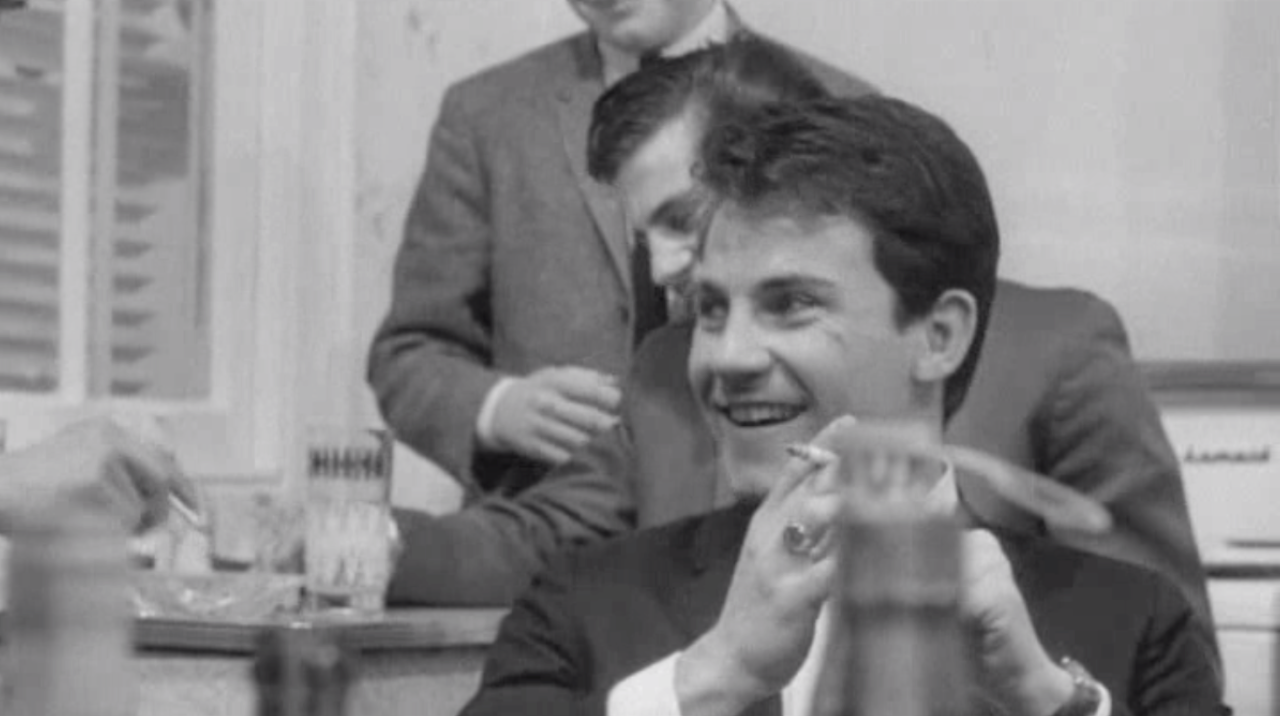
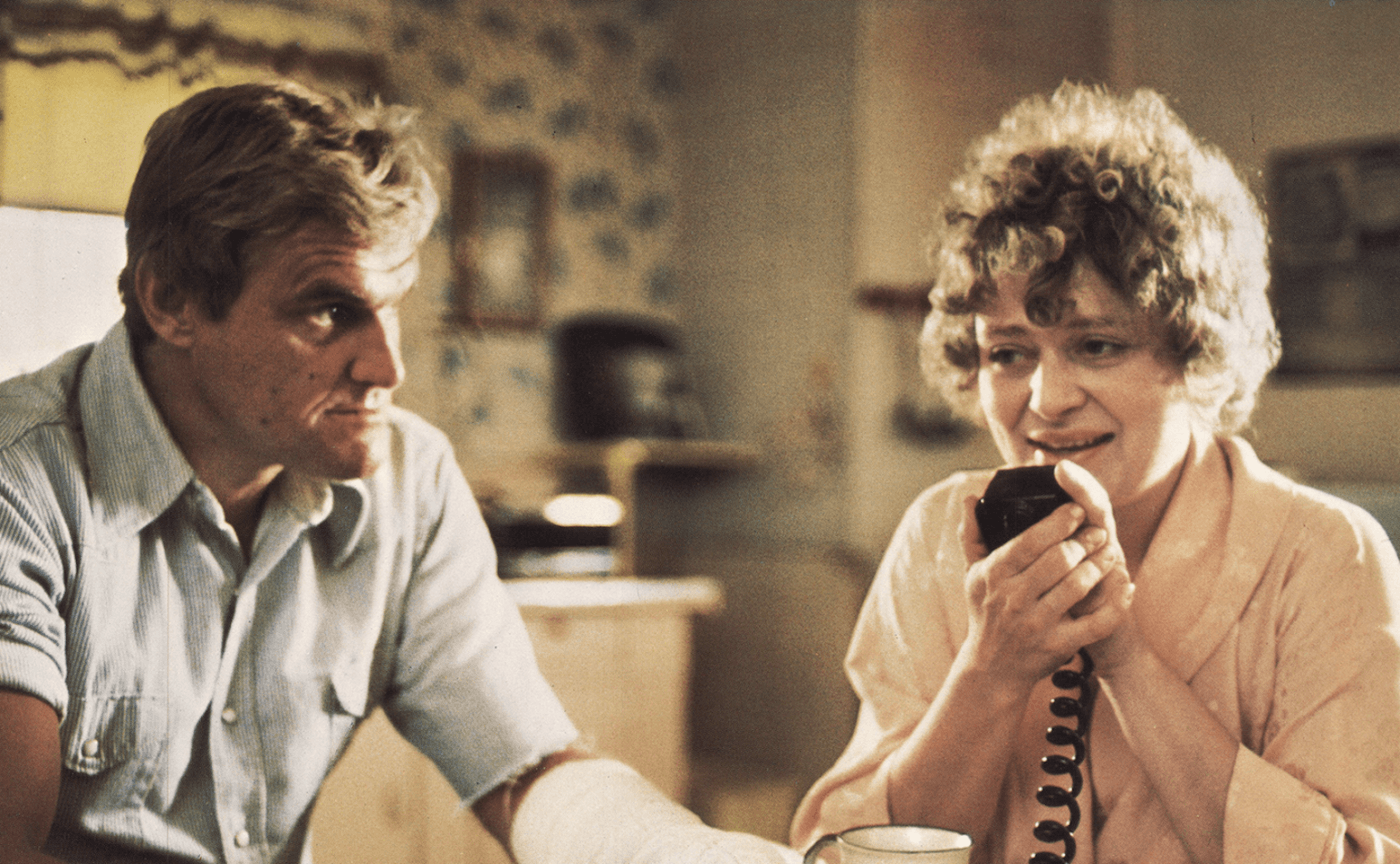
Citizen’s Band (a.k.a. Handle With Care) is highly regarded among Demme-heads but is otherwise a lost-gem (Barely 200 logs on here at the time of writing, crazy!) It’s very difficult to get hold of and as far as I know has never had a home-video release. Luckily you can now find it on Amazon video so…god bless the internet. Essentially Nashville for the 1970s citizen’s band radio boom, the film follows an eclectic ensemble of characters who are all connected through the radio waves. We only know them by their CB handles (Spider, Electra, Blood, Papa Thermodyne, Hot Coffee, Dallas Angel, Chrome Angel and Portland Angel are among the barrage of colourful monikers) and their problems are pleasingly low-key. Demme staple Charles Napier has a woman in two different states and when they inadvertently cross paths he is forced to feel their wrath; Paul Le Mat’s father (Robert Blossoms) barely says two words to him but is all chatter on the airwaves and his brother (Bruce McGill) is now sleeping with his ex-fiance; and then there’s The Hustler, a teenage boy who reads pornography aloud over the air. 

It all sounds very soap-opera but in Demme’s hands it is a minuscule delight of characterisation and episodic pleasures. As a pin in the board of 1977 Nebraska it also feels like a wonderful little time-capsule. Writer Paul Brickman, who also wrote The Bad News Bears and Risky Business, has a way with local dialect and situations as well as a knack for combining the edgy and bristly with the sincere and heartfelt. You like all of these characters – a Demme trademark – but they also feel like the kind of colourful cocamany oddballs only the movies can give you. For that it is an absolute joy. It’s a Jonathan Demme picture through and through, and the first that properly captured his sensibility completely. I loved it.

Posted in Reviews | Leave a comment

Phantasm II (1988)

Released nine years after the original film with big-time studio backing and resources courtesy of Universal, it’s no surprise that Phantasm II is much bigger in scope than the first film. Essentially a road movie that unfolds over an undisclosed period of time (weeks? months? years?), Coscarelli puts the budget to good use and smartly takes the iconography of his world and wreaks havoc with it. He expands the small-town horror of the first movie and stretches it far and wide, creating a far-reaching world of funerals, mausoleums, ravaged graves and night-time highways. This is the start of his own “American Gothic” saga that would continue across the rest of the series.

The great thing about Phantasm II is how it broadens the mythology to an almost giddy degree. When the three deadly spheres appear, in a range of colours and sizes with increasingly lethal contraptions inside, you can almost see your own big grin reflected in the chrome back at yourself. He teases the appearance of the Tall Man with actors who have similar silhouettes to Scrimm and further promotes Reggie – everybody’s favourite ice-cream man – to the lead. The bigger budget means the special effects are far more elaborate and there’s an absolute gauntlet of thrilling practical effects courtesy of Mark Shostram and the future founders of KNB. The film is cooler than the first too and even boasts a tooling up of excessive hardware montage to rival any in the Evil Dead series. Naturally, the humour is cranked up which makes it feel like a proper 80s sequel in that it pushes more toward ghoulish comedy than outright horror but it never fails to feel of a piece with the Phantasm brand. Coscarelli owns this malleable world through and through and his navigation of all the tones and moods is always rock solid.

The film’s only real shortcoming is the re-casting of Mike, with James LeGros replacing Michael Baldwin, which adds a frustrating blip in the series’ overall continuity (see also Tuesday Knight replacing Patricia Arquette in Nightmare on Elm Street 4. But that’s a minor quibble. There are so many individual moments of genre-bliss here. Take the way the Tall Man reacts to an exploding house, for instance. How he just turns out of curiosity, no fear, no emotion, is exactly how an otherworldly being like him would react to a pathetically humanistic problem like an explosion. Or how a set of teeth gets smashed to dust by a mallet and then poured into a jiffy bag marked with the name “Sam Raimi”. There’s so many of these details, too many to name. Just great. 

Phantasm II is a minor miracle of a movie if only because it captures a moment in time in which one of the weirdest horror franchises in genre history was briefly given backing and shelter by one of Hollywood’s biggest studios. For a brief instant, the truly weird was part of the mainstream. It’s even better because Coscarelli was given apparent creative freedom to expand his original vision with the necessary budget and resources. Very nearly the perfect sequel.

Watched on Arrow blu-ray

Posted in Arrow Films, Reviews, Rewatch | Leave a comment

Phantasm (1979)

“The funeral is about to begin” 

Over the past few years Phantasm has slowly climbed the ranks of my favourite horror movies to become a legit contender for the top spot. What sets it apart from so many other horror movies of the 70s and 80s is the sheer amount of imagination and invention Coscarelli managed to conjure with his minuscule resources. Phantasm is inherently strange and weird, with an entire universe and imagery wholly unique to itself. It also feels like a dream, occasionally a nightmare, with its skewed editing patterns, narrative dead-ends and short-cuts only adding to the overall sense of delirium. 

The graveyard setting’s gothic tinge combined with the fantasy/sci-fi comic-book stylisation – the futurist gloss of the mausoleum interiors are a delight – all work together to tap into something both primal and fantastic that lies at the core of any great heightened fiction. There’s so much subtlety in the world building too – notice how the town is strangely depopulated – that works alongside the broader brush strokes. Basically, it’s a film that utterly works on every level, both major and minor, text and subtext. The shot of the Tall Man in the street with the steam from Reggie’s truck swirling around him is one of the best singular images I’ve ever seen in a horror movie. Just magic.

Watched on Arrow blu-ray

Posted in Arrow Films, Reviews, Rewatch | Leave a comment

The Childhood of a Leader (2017)

Probably the most unexpected feature film from an actor turned writer/director since…By the Sea? When Brady Corbet (pronounced Cor-bay, pretentiously) announced he was transitioning into directing, I doubt anyone expected this. While being a simplistic and relatively routine document of a future-tyrant’s childhood (it’s the parents’ fault!), the film really soars in its aesthetics. That Gordon Willis-esque photography and Scott Walker’s screeching strings are just glorious to bathe in. The roaming camera that seems to freewheel from rigid compositions to improvisatory digressions reminded me of recent PTA which is one hell of a compliment. A movie that feels hella cinematic in a way so few films of late manage. God bless Bérénice Bejo (aka the best thing The Artist gave us) and Stacy Martin too.

Watched on blu-ray

Posted in Reviews | Leave a comment

Heavy (1995)

As a pretty casual fan of James Mangold (big up Cop Land and Identity!) I’ve always been curious to see Heavy, his writing/directing debut. 

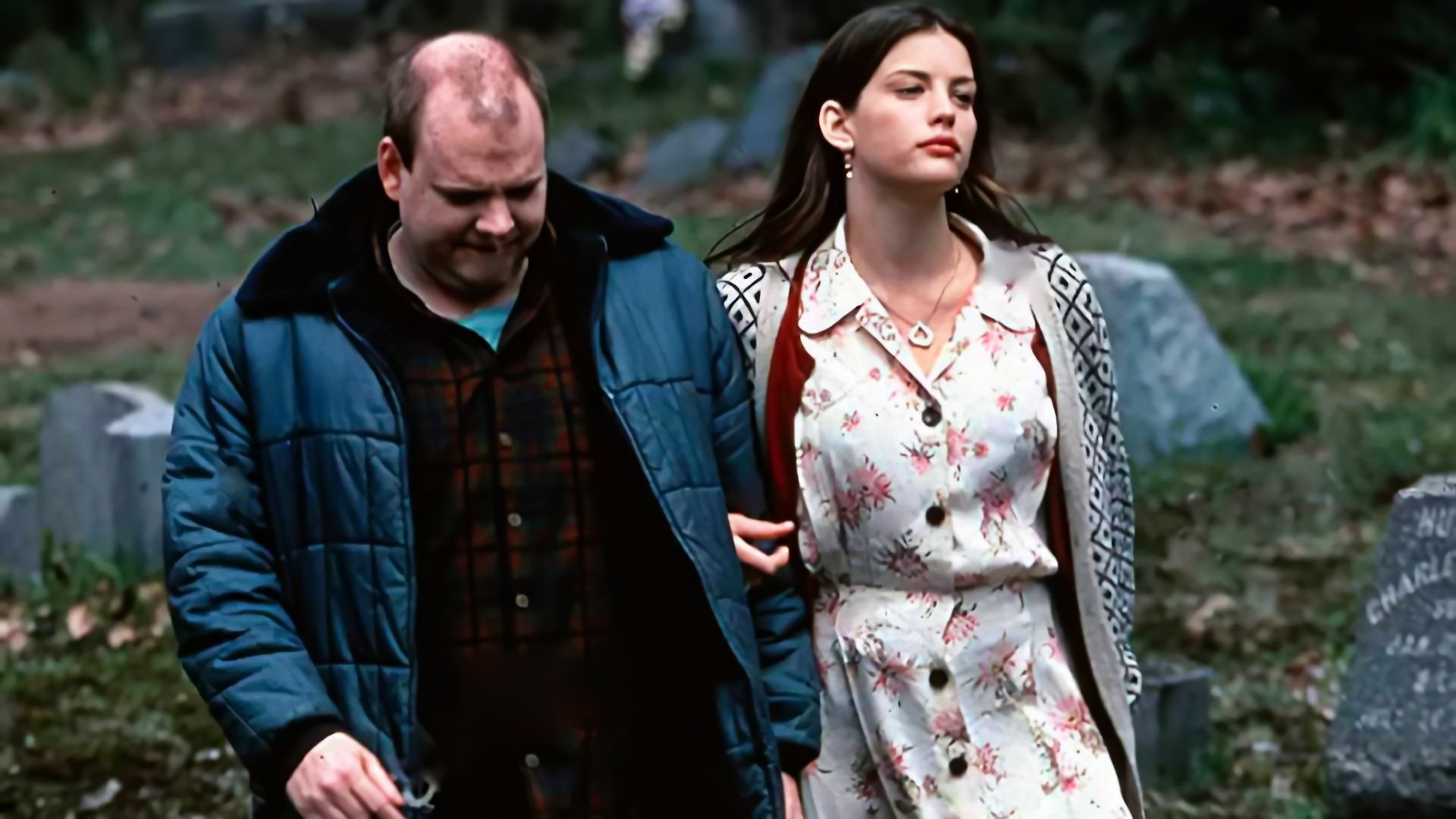
This is such a pleasingly simple and visual movie. Set primarily around a small diner and the people who work there. The film is rounded out by an unusual mix of faces. Pruitt Taylor Vince is the film’s key feature, Victor – a shy and overweight cook that was originally written for Black Francis. He’s the kind of lead you only find in independent movies, with an unconventional vulnerability so rarely represented in mainstream cinema. Shelley Winters plays his overbearing mother and Deborah Harry (Blondie herself) also appears as one of the veterans behind the diner’s counter. Any recognisable faces are dressed down to ensure nobody distracts from the overall ensemble. Everything gets turned upside down with the arrival of Liv Tyler’s Callie who becomes the focus of Victor’s affections. 

What could have easily been a workplace comedy, or a workplace drama built from talking heads is instead a pretty pure collage of details and visual flourishes. It’s a wonderfully observed character study that shortchanges dialogue for missed glances between characters, extended shots of faces and details on hands, tables and objects. Mundane objects become re-ocurring motifs of misery or hope. An uneaten slice of toast, for instance, haunts a kitchen following the death of a loved one. There’s a photo hidden in a food menu and strangest of all, a dog lead without a dog. 

While mainly quite an optimistic, gentle drama, Heavy has its fair share of darker shades and occasionally reminded me of River’s Edge because of its frequent fascination with death and decay. It’s a pretty terrific debut that lays the seeds for so much that would populate Mangold’s cinema in the following two decades and onwards. It also has the benefit of being exactly the film it needs to be and nothing more. It isn’t obliged to be a Johnny Cash biopic, a rom-com, a mystery thriller or a existential comic-book movie. It’s just…Heavy.

Posted in Reviews | Leave a comment

Stop Making Sense (1984)

Stop Making Sense is my favourite movie of all time and a big part of that is because of Jonathan Demme. Beyond the music and the incredible central performance by Talking Heads, there’s an underlying enthusiasm and joy here that is very specific to Demme.

Throughout his career he marvelled at the oddballs and outcasts of the world and promoted them from background players or supporting characters to being absolutely front and centre. He always rooted for the little guy and took great pleasure in depicting their world with bright, vivid colours. Whether it be the down-and-out truck driver Melvin Dummar in Melvin & Howard, hapless banker Charlie thrown into a genre-whirlwind in Something Wild or even a gangster’s moll suddenly forced to stand on her own two feet in Married to the Mob, Demme always showed great compassion and understanding of his characters. He never judged. He was always enamoured by them. So much so that he often let them take over the movie. Take Melvin & Howard for instance. That movie begins with two characters – the titular Melvin (Paul Le Mat) and a man who may or may not be reclusive billionaire Howard Hughes (Jason Robards) – simply talking in a truck for ten minutes. Hughes even sings a song. As they begin their conversation, the two are strangers to us. But by the end they feel like our best friends. That is Demme’s gift. He could even make the company of a psychotic cannibal a pleasurable place to be. 

Demme’s movies always have life and colour and he managed to instil his passions into even the strangest of canvases. His love of music never faltered with talents as diverse as The Feelies, John Cale, Laurie Anderson, Bruce Langhorne, Neil Young, Justin Timberlake, Bruce Springsteen, The Fall and, yes, David Byrne and Talking Heads all having their music set to his images. When it came to casting the husband in Rachel Getting Married, it would only occur to Demme that perhaps Tunde Adebimpe, best known as the frontman for TV on the Radio, would be the right man for the job. 

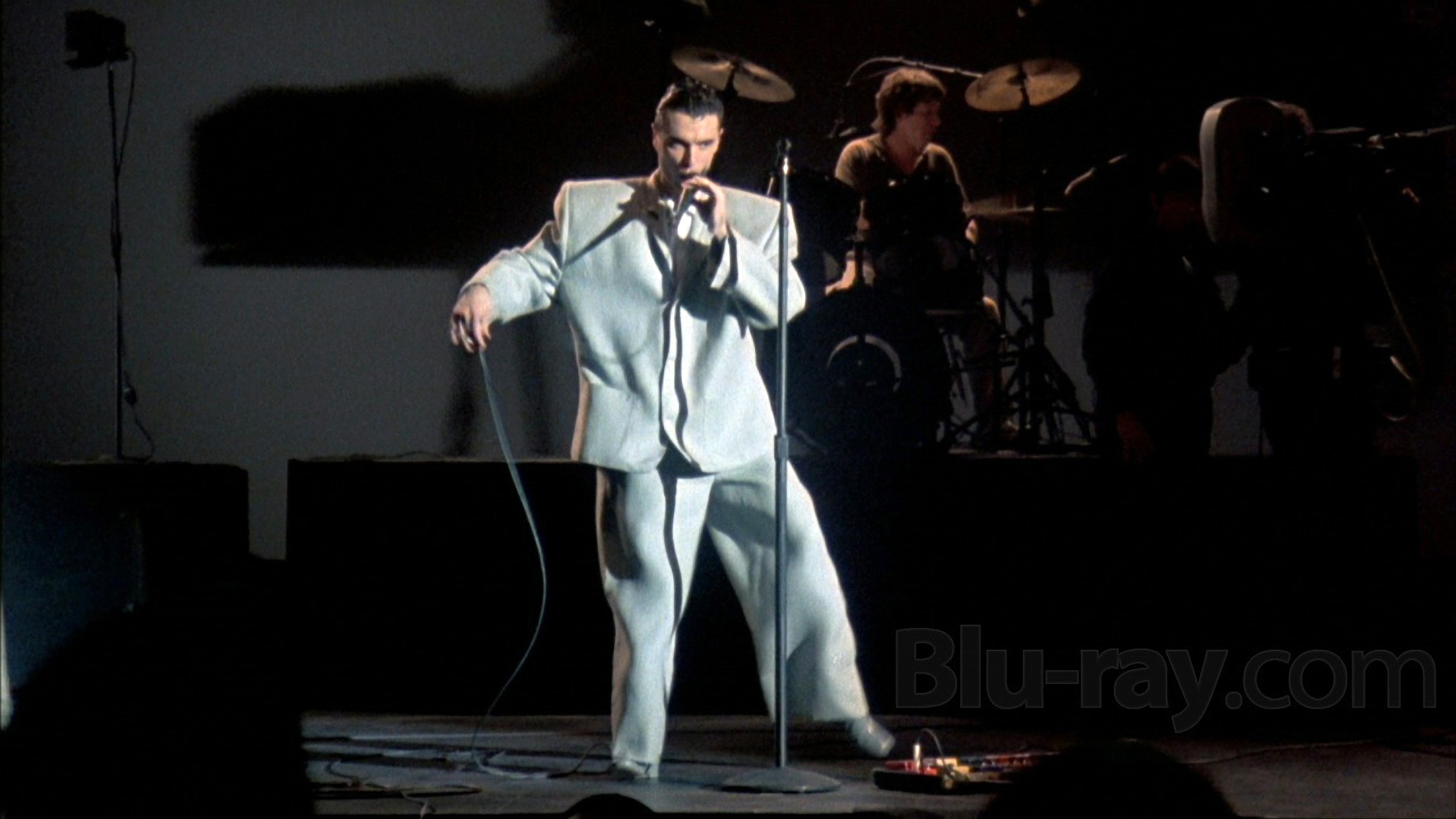
With Stop Making Sense Demme successfully destroyed the boundaries between cinema and concert film and forged an entirely new cinematic experience in the process. Yes the film documents Talking Heads performing during their “Speaking In Tongues” tour, but it is designed and executed with a filmmaker’s eye. The titles written in the Dr. Strangelove font, the opening tracking shot from Byrne’s feet to the boom box, the minimalism in the stage design and the gradual way the band builds to completion over the course of the first five songs; This. Is. Cinema. This. Is. Storytelling. There are cuts in here that I would rank alongside the bone-to-space station jump in 2001: A Space Odyssey and moments of sheer cinematic spontaneity and magic that are, frankly, incomparable to anything else I’ve seen. The lighting changes, the way the dancers suddenly sync up with Byrne and the intercutting of the cameras all builds to something infectious. Byrne himself, as the film’s de facto protagonist, seems to go through his own emotional arc over the course of the run time with multiple costume changes and physical transformations to boot. Demme doesn’t simply cut to the music either, he cuts to the experience. Notice how he holds on Byrne for the majority of “Once In a Lifetime” and how that makes the first cut in the song feel like a gorgeous exorcism. There are so many times I feel like tearing up during this film because it is such an overwhelmingly visceral and positive experience. It’s a celebration of sound, of image, of art and diversity and just plain old partying down. It might be the only movie ever made that is best experienced while dancing in the aisles and singing your heart out. That means something. That’s why this is my favourite movie. Because it is wholly unique. It is my nirvana. 

Demme seemed to bring the best out of his collaborators and he brought the best out in movies. He built his own American canon of films that bridged the gap between fact and fiction by constantly bouncing between narrative and documentary forms and, sometimes, even combining the two. Paul Le Mat, Jodie Foster, Anthony Hopkins, Scott Glenn, Goldie Hawn, Denzel Washington, Spalding Gray, Jeff Daniels, Melanie Griffith, Ray Liotta, Michelle Pfeiffer, Mark Wahlberg, Anne Hathaway, Peter Fonda, Roy Scheider, Tom Hanks, Thandie Newton, Meryl Streep and, ofcourse, Charles Napier, are all equals in Demme’s filmography. He cast impeccably with a diverse eye and knew how to get out their way. You might not be able to immediately identify a Demme movie from his direction (though if a character is staring down the lens, chances are you’re seeing his work or someone who is heavily influenced by it) but his adoration for his characters and performers is unmistakable. A Demme film is a lovely place to be, even when the subject matter may anything but. The characters become friends, their stories become shared experiences. For me, Demme was one of the great American filmmakers and a personal favourite. He made at least three of my fifty favourite movies of all time and many more that I return to over and over again. Most importantly, he directed The Greatest Movie of All Time.

R.I.P. Jonathan Demme. I’m gonna miss you, man.

Posted in Favourite Movies, Reviews, Rewatch | Leave a comment

Castle Freak (1995)

For a movie with such a dumb title and potentially throwaway concept, Castle Freak is actually a solid shocker in the same way most of Stuart Gordon’s best films are. Like most great horror movies that aren’t interested in simple roller-coaster shocks, it doesn’t try to make you feel good or provide you with an enjoyable experience. It’s an unpleasant little movie, mostly featuring characters who are pretty unlikable and there’s a poisonous, sickening undercurrent that makes the whole thing quite an unsettling watch. It’s one of those horror movies that feels dirty and discoloured, somewhat taboo but still trashy and simple.

It’s about a family – a husband (Gordon regular and general golden horror totem Jeffrey Combs), his wife and their blind daughter – with their fair share of marital problems who move in to a large estate the husband has inherited. Unbeknownst to them, however, there’s a hideous deformed creature chained up in the cellar who has just broken free. When Castle Freak unleashes the violence, it’s pretty full on especially when it all gets strange and sexual. At the heart of it all are some disturbing concepts and ideas (I was reminded of Lucky McKee’s The Woman which came much later of-course but nevertheless shares a lot of ideas with Gordon’s film). The inclusion of the blind daughter heightens the damsel in distress element to something less tired too though is perhaps not used to the full extent of its potential. 

With the grand castle setting and exotic locale, as well as the general look and feel of the violence, I found myself thinking of 80s period Argento a lot. Hell, Gordon even uses the “break a thumb to get out of handcuffs” gag from Phenomena which is probably a coincidence but it’s an overlap which only made my own comparisons more concrete. 

Another hit from Stuart Gordon for me. Quite a minor work overall but it has enough good to avoid being forgotten.

Watched the 88 films blu-ray

Posted in Reviews | Leave a comment

Phil Spector (2013)

Phil Spector works best when it’s just Al Pacino and Helen Mirren sat in a room spitting out Mamet’s dialogue. There are extended stretches here that are up there with some of Mamet’s best stuff and having actors as adept as Mirren and Pacino (putting in some of his best work in years might I add) doesn’t hurt either. At times the film feels a little hampered by an obligation to actually document some of the minutiae of Spector’s trial and you can definitely feel Mamet’s interest wane when there are more than two people talking but otherwise this is a pleasingly low-key character study about one of the weirdest pop-culture crossovers – pop music and true crime – in recent memory.

Posted in Reviews | Leave a comment

Catfight (2016)

A comedy centred around two women repeatedly beating the living shit out of each other doesn’t sound all that appealing on paper but I’ll be damned if Anne Heche and Sandra Oh don’t make it work. I went into Catfight not really knowing what to expect but found it to be a pleasingly odd and violent slice of leftfield satire.

Smartly structured around three episodes and time periods that alternatively focus on each character and then both of them, the film could easily feel repetitive and arduous but somehow the repetition works in its favour, making the film all the more absurd. It has a Todd Solondz vibe (Dylan Baker shows up in a doctor’s coat so maybe that’s why) and stubbornly makes sense only by its own daffy logic. There’s certain pleasures to be had with a movie that repeatedly shocks you while also making you laugh. This is one of those movies. 

Catfight is a batty, bloody comedy of violence in the Tom & Jerry – or perhaps more aptly Itchy & Scratchy – trend. Both actresses take a big old bite of the material and clearly have their heart set on making a half-serious statement about…something. Quite unique.

Watched Arrow blu-ray

Posted in Arrow Films, Reviews | Leave a comment