A Spell to Ward Off the Darkness (2013)

a-spell-to-ward-off-the-darkness

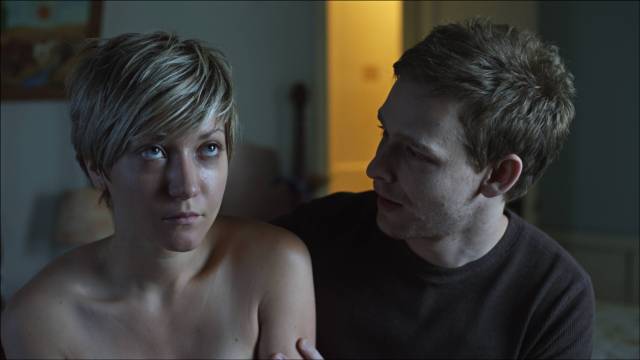
I keep seeing this billed as a documentary but I don’t feel that at all. Sure, it stars real-life musician/artist Robert Aiki Aubrey Lowe but I never got the sense he was appearing as himself. This feels like cinema (yes I know documentaries are cinema too) rather than an account of a subject.

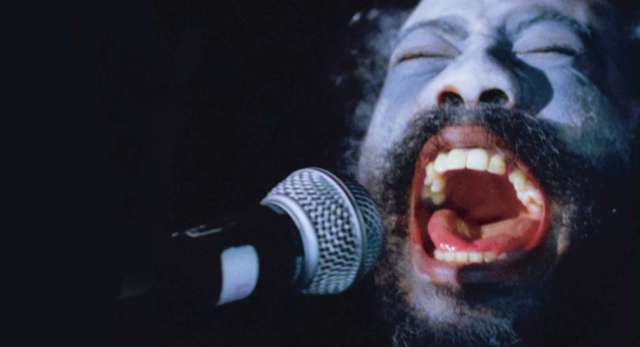
Presented as a loosely connected triptych, A Spell to Ward Off the Darkness can test your patience at times. The lengthy takes alternate between captivating and boring depending on how interesting their focus is. We first find our lead character at a commune in Estonia, then walking alone in a forest in Finland, and finally as the singer at a black metal gig. On paper this sounds like a fascinating way to present a film in abstract. There are countless strong images and an ambient sheet covers everything making it hypnotic but there are also long stretches of dead air. It’s a mixed bag.

I admire the film’s ambition and uncompromising storytelling. I definitely found my attention drifting more times than it was engaged but thinking back on it as a whole, yeah, I liked it. Am I in a rush to see it again? Not at all.

Posted in Movies Watched In 2016, Reviews | Tagged , , , | Leave a comment

Twixt (2011)

6a00d8341c630a53ef01543557b120970c

The kind of film a once-great filmmaker makes when nobody is looking. Twixt was almost immediately thrown under the bus when it premiered on VOD platforms a few years back but it’s far better than that.

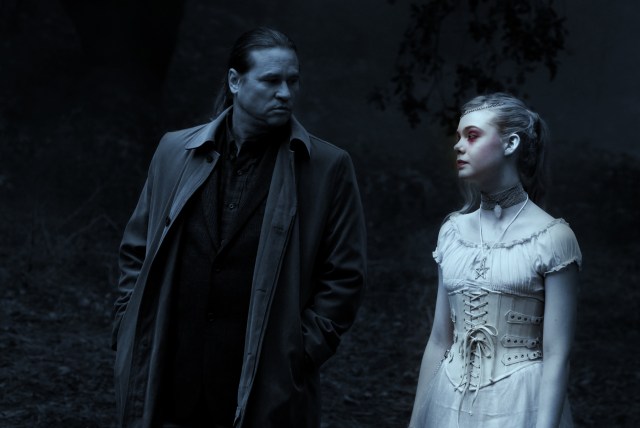
There’s something thrilling about seeing a movie where anything could happen. Twixtstarts with a Tom Waits scene-setting voice over and plunges us into a little town that must be only a few zip-codes away from Twin Peaks. Val Kilmer plays a washed up novelist making a stop on his book-signing “tour” but ends up scrawling just one signature in a hardware store. That’s when the town’s Sheriff (Bruce Dern) shows up and takes Kilmer to the local morgue to check out the body of a local girl with a big stake rammed through her heart.

From there the film gets more complicated, bleeding dreams into a netherworld where a ghostly Elle Fanning shows up as well as an apparition of Edgar Allen Poe. It’s a slapdash kind of film that feels light on plot but incredibly heavy on substance, themes and visual ideas. There’s a lot of stuff here we’ve seen before; the town with a murderous past, locations haunted by crime, the writer in need of one last hit, but seeing it come from a late-career Coppola makes it pretty fascinating. I’m fairly certain this is the kind of film Coppola has been wanting to make throughout his entire career, not Twixt specifically but films of this ilk that are experimental, imaginative, singular and low-key. He has always been more drawn to films with an arthouse sensibility. It’s undoubtedly made by the same man who fucked with visual form in films like Rumble Fish and One For the Heart decades earlier and who got his start directing cheapie shlock for Roger Corman.

The pin-sharp digital photography takes a bit of getting used to at first – the lighting is all so crisp and garish – but only because our eye is so trained for celluloid photography. All of the fantastic elements appear cheap and green-screeny too but honestly, by the end I just accepted it as a stylistic decision. The thrill for me with Twixt was how unexpectedly entertaining it is. Kilmer doesn’t look his best but he plays the hell out of this character. You can tell he’s having fun. There’s an overall sense of a bunch of filmmakers getting back-to-basics and enjoying themselves by creating again. In my opinion Coppola has earned the right to do whatever the fuck he wants and a film like Twixt feels incredibly personal and exciting coming from him. The tale of his son’s untimely death is recounted near the end and the fact Coppola is still using his craft to exorcise inner demons rather than chasing audience needs or box-office returns is about as pure an artist can get. There’s a lot more in the pot too – I didn’t even touch on the twists of vampire mythology – and it feels like a fun peek into whatever stuff was sparking Coppola’s imagination at the time of writing.

I understand why people don’t get on board with this movie. There’s a lot to get past if your gut instinct is to assess its decisions as mistakes but if you see it as a meticulously playful and imaginative yarn about creativity and inspiration then it’s pretty damn satisfying.

Posted in Movies Watched In 2016, Reviews | Tagged , , , , , , | Leave a comment

Gummo (1997)

gummo-bathtub-scene

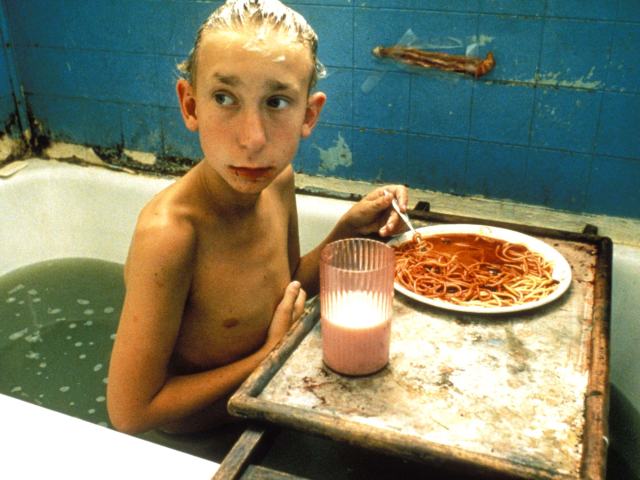
Gummo is like channel surfing through weirdo America. This film has a perspective all of its own and it belongs, inherently, to Harmony Korine. Watching Gummo is like stepping into a universe or a strange stupor that could regress into a nightmare at any second. Still, it remains a fantastic and stimulating experience. Every shot, every scene, every character feels like a revelation and an oddity. Sound and image are utilised and broken down in fascinating ways. The soundtrack will leave you dizzy and punch-drunk. It’s a celebration of weird skinny white dudes and punky attitudes. So much to see. So much to take in. So much to say.

This has to be one of the most distinctive and daring debut films I’ve ever seen. It is an immersive delve into an artist’s worldview that is, in its simplest form “kinda funny lookin”. Gummo is undoubtedly mindless and has buckets of aimless anger, bursts of destruction and a constant sense of provocative mischief but there’s something so complete about its vision. Herzog famously lost his mind and fell in love with the film after seeing a piece of bacon cellotaped to the wall in the background of one scene. Well, the film is rammed with endless gonzo details like that and you too will find something to flip out over. Even if you see it and hate it (like many have) you won’t be able to forget it. You know that bit in Hellraiser when Pinhead says “we have such sights to show you”? I don’t doubt that Gummo is in his DVD collection.

Posted in Movies Watched In 2016, Reviews | Tagged , , | Leave a comment

Two Evil Eyes (1991)

two-evil-eyes

Neither Argento or Romero’s best by a long shot. Romero’s segment is frustratingly average, almost boderline terrible due to its weird concept that never really makes sense or appears plausible. I think the problem lies with this film’s origins as an Edgar Allen Poe tribute. Argento initiated Two Evil Eyes as an anthology film to be directed by the horror genre’s cream of the crop but eventually it was compromised down to a Romero/Argento two-parter. Argento’s sensibility is far closer to Poe’s than Romero’s and there’s a sense that Romero just did this for the shits and giggles. There’s nothing wrong with that but when you can sense actual passion and a filmmaker’s presence in Argento’s segment it makes you resent Romero’s plain chapter even more. His just feels like a cheapie, melodramatic horror yarn made for TV.

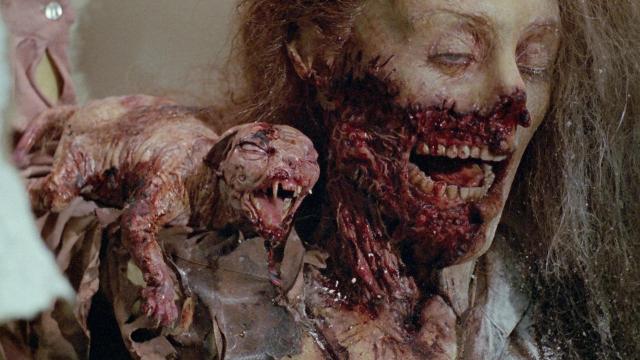
Argento adapts Poe’s The Black Cat, which has been filmed countless times in the past but seems like a natural fit for the famed horror maestro, who made a name for himself by directing an animal-themed giallo trilogy. His Black Cat never quite becomes great, it suffers like all post-Tenebre Argento suffers from visual ambition let down by half-baked execution. It’s great to see an actor like Harvey Keitel headline an Argento thriller though and he gives a whacked out, on-the-fringe performance that is both entertaining and a little overcooked. Still, the frights land far harder than they do in Romero’s section and the mid-way hatchet murder is especially vicious and painful. Of course, the real star here is the great Tom Savini.

I enjoyed Two Evil Eyes, Argento’s story especially. It’s a curious crossover for both filmmakers but is yet another mixed bag anthology film that never reaches the heights the names on the poster would have you hoping for.

Posted in Movies Watched In 2016, Reviews | Tagged , , , , , | Leave a comment

The Ruins (2008)

1189_7_screenshot

The Ruins gets bonus points for pulling off a potentially ridiculous concept with serious punch. It never exceeds its foundations as a B-movie in terms of performances or script, but conceptually it is very strong. A bunch of (dumb) vacationing students end up visiting a Mayan ruin and become trapped there when the violent locals refuse to let them leave. It soon turns out there’s something far worse at play: killer vines!

Now shake all memories of The Happening – the other man v. nature movie from 2008 – out of your head and bare with me. Unlike that movie, The Ruins knows its tone and treats the material very seriously while simultaneously embracing the genre elements. There are a lot of genuinely icky moments here and the logic and “rules” of the killer vines is consistent and always developing in surprising ways. Sure the special effects are a little cartoony but the effects still work. There are moments of full-blown body horror, DIY surgery as well as a strange sexual aspect, all of which are utilised to scare you in fresh ways.  It’s refreshing terrain for a horror movie, where sunlight and architecture are more oppressive than shadows and interiors. Honestly, by the end you won’t be able to look at a bunch of weeds in the same way again. Oh and Jena Malone is in it too.

Posted in Movies Watched In 2016, Reviews | Tagged | Leave a comment

Faces (1968)

faces-1968-07-g

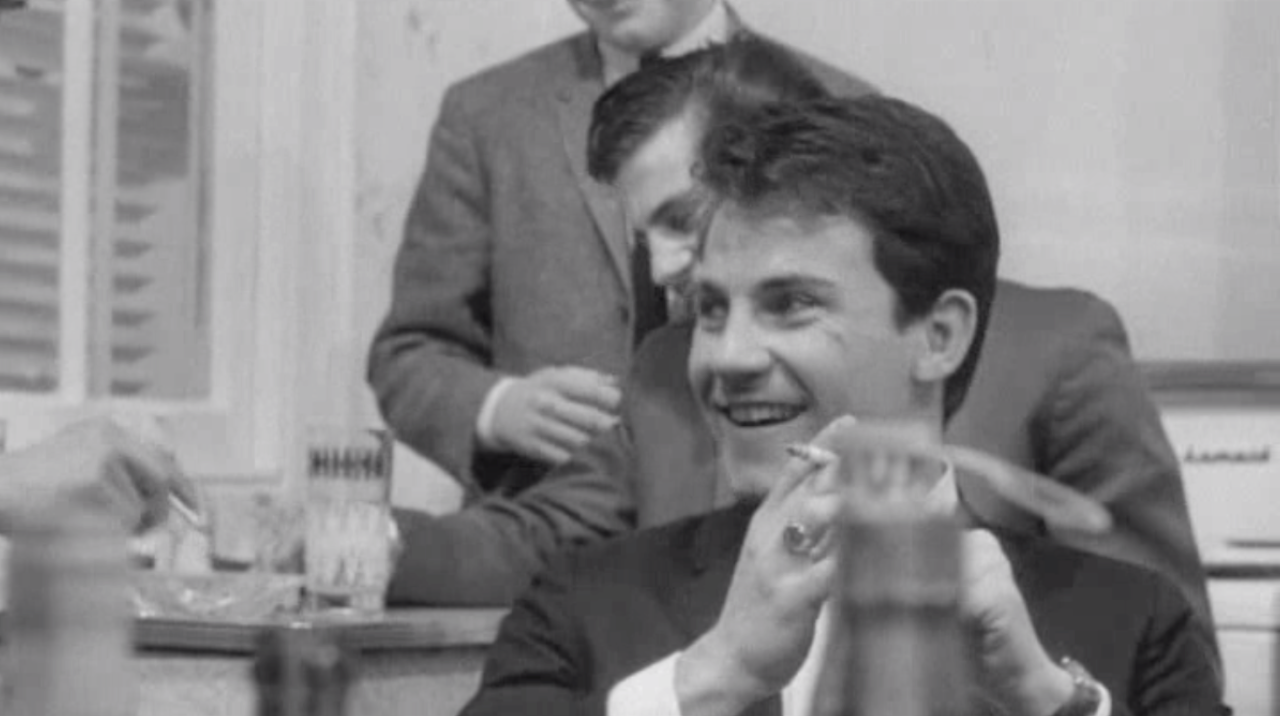
A startlingly immediate and vivid vision of mid-life insecurity and hysteria. Watching just ten minutes of Faces, with its production background in mind, it’s easy to see why Cassavetes is considered the godfather of independent film in America. This aesthetic has become the standard for no-budget filmmakers around the world and the talented ones are still utilising it to revelatory ends. By putting performance and character at the forefront and sacrificing technical polish (which in itself becomes style) Cassavetes managed to rip the flesh off of drama and expose all its raw nerves with screaming fury.

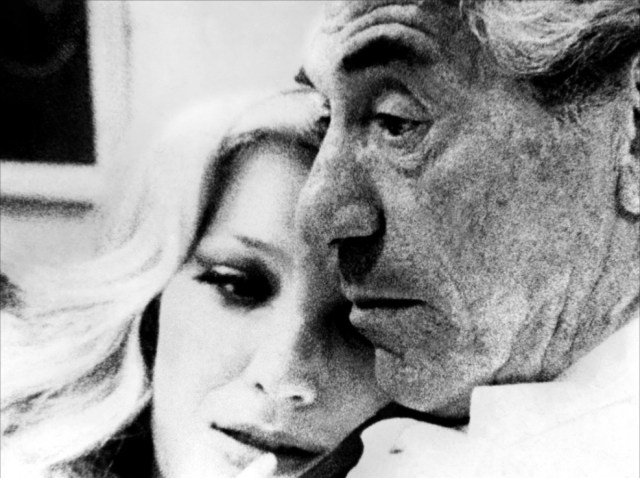
While clearly made by a passionate actor, Faces still feels like the work of a fearless filmmaker. The title is so apt as the quintessential images from this film are the huge, grainy monochromatic close-ups of the actors’ faces. Cassavetes is as content just watching them react in silence or observe the other performances as he is showcasing them at fever pitch. This is the first “proper” Gena Rowlands movie I’ve seen (I enjoy The Notebook but lets face it when people discuss Gena Rowlands, it’s this era they’re talking about) and while only a fleeting presence in Faces she is one of the most magnetic and alluring things in it. John Marley is terrific too and his character feels like a prototype for the baseline concerns of Mad Men (as do all of the characters actually). The other two stand-outs are Seymour Cassel and Lynn Carlin. Carlin was, famously, a receptionist for Robert Altman who Cassavetes saw and spontaneously cast as his lead. Her performance is extraordinary and the scenes she shares with Cassel are constantly surprising, touching and heartbreaking.

Faces is like an intimate epic of human behaviour. It is so busy with behavioural detail and honest character beats that it feels, at times painfully, all too real. Cassavetes was speaking for an entire generation of Americans here, those who may have money and success but were nevertheless discontent and disconnected from their wants and needs. Their rebellion takes the form of frayed relationships, some of which are repaired others of which are destroyed completely. Some of the characters in this film you feel cannot be helped and are destined for a tragic end, while others seem hopeful for a bright conclusion. Cassavetes’ films are known for their unruly productions and numerous cuts of increasingly bloated lengths but Faces, even at 2+ hours, is constantly coherent and eye-widingly engaging. I can’t wait to see more.

Posted in Movies Watched In 2016, Reviews | Tagged , , , , , | Leave a comment

Lovely Molly (2012)

6de36ef4-6a1a-4116-9e1a-7e7f4641e954

For anyone who wondered what happened to the Blair Witch guys this is a real treat. Directed by Eduardo Sanchez (co-director of The Blair Witch ProjectLovely Molly is another exercise in minimalist backwoods chills and suggestion-over-showcase.

Anchored by a titanic central performance by Gretchen Lodge, the film effectively utilises creepy haunted house and possession movie tropes to tell quite a relentless story about addiction, guilt and trauma. Sanchez never over-reaches his grasp technically and the stripped back, digital photography is simple, to-the-point and quite beautiful. There’s also a re-occuring motif of Molly filming seemingly random moments through a camcorder. At first this feels like a pointless peppering of found-footage to the proceedings but by the end I felt the mixed-media actually worked very well with the more traditional photography.

Like all great horror maestros, Sanchez understands the importance of effective sound design and the house rumblings, low-pass frequencies and electronic noise score by Tortoise are all great. I genuinely felt uneasy during a lot of this and the music was essential to my discomfort. It’s a testament to the filmmakers’ skill with atmosphere and the believable performances that they actually managed to pull off a lot of potentially-dopey material in this movie. On the surface it doesn’t appear to break new ground, but by grounding its terror in raw, emotional and character-based moments it manages to be that rare thing: a very effective horror movie.

Posted in Movies Watched In 2016, Reviews | Tagged , , | Leave a comment

Dawn of the Dead (1978)

dawnofthedead1

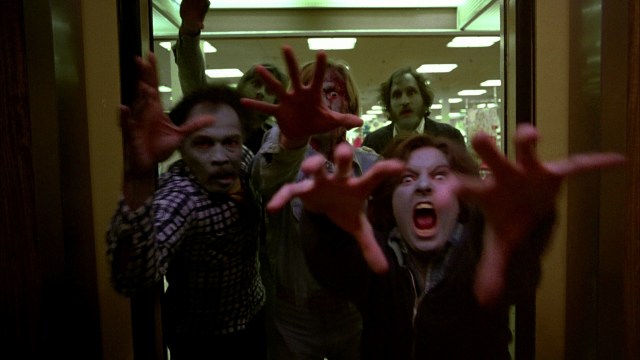
Romero’s masterpiece. Zombies were never my favourite horror ghouls as a kid and Romero was never really one of “my guys” in the same way Raimi, Carpenter and Craven were. Nevertheless I saw Dawn of the Dead multiple times and enjoyed it plenty yet it wasn’t until this recent rewatch that the film really hooked me in.

Not only is Romero’s film perfect on a conceptual and thematic level, but on a scene-by-scene basis the film has such a sense of rhythm, vigour and irony that it is never anything less than overwhelmingly entertaining. The opening twenty minutes, pre-shopping mall, must be among the most chaotic and relentless to ever open a horror movie. We see a TV station descend into madness and a siege on a housing complex become a gun-blazing massacre. As far as stage-setters go, this one left me in awe. Even the opening shot of a fuzzy red wall somehow feels totally representative of the film’s mood and texture.

In theory, Romero’s preferred technique of shooting endless coverage and sculpting the film in the edit goes against my preferred brand of filmmaking. I like directors who make fewer, deliberate choices with a pre-set idea of style, yet Romero gets a pass from me. He is one of the great director/editors and has such a distinct sense of pacing and energy that his films take on a rhythm of their own, completely unique within genre cinema. It is frenetic and a tonal whirlwind – we go from slapstick to stomach churning violence in mili-seconds – but every shot brings about new information or a new detail that is a delight.

So much of this film’s DNA should be wrong, wrong, wrong but when all is said and done it all amounts to something perfect and complete. The bizarre library music cues, the kind-of-shitty-but-not-really zombie make-up and melted red-crayon blood are Dawn of the Dead as much as anything else. The film feels epic and huge. Almost every cut-away to the zombies stumbling around in the shopping-mall suggests an entire subplot I would be happy to follow for huge stretches of time. The effort put in to this thing is up there on screen. All of these zombies (and it feels like there are genuinely thousands in this thing) look individual and Savini’s inventive effects are quite endless.

As far as horror cinema goes, even genre films in general, Dawn of the Dead really is the ultimate. I love everything about it and it is one of those movies I could quite happily watch every day for the rest of my life.
Posted in Favourite Movies, Movies Watched In 2016, Reviews, Rewatch, Uncategorized | Tagged , | Leave a comment

Bloodsucking Pharaohs in Pittsburgh (1991)

large-screenshot3

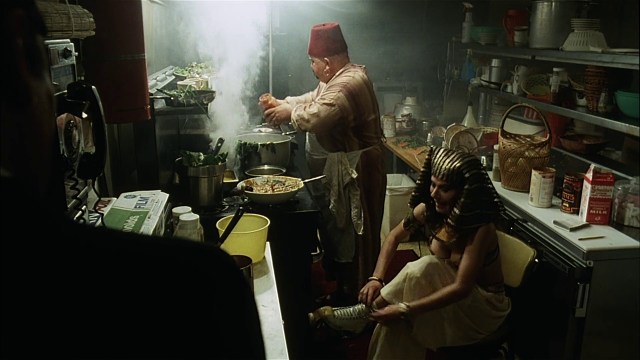
Quite a forgettable cheapie splat-fest that reminded me of Hollywood Chainsaw Hookers with its emphasis on witty one liners rather than an atmospheric plot. It lacks that film’s more unique qualities and frankly, the only thing that brought me here was the Tom Savini effects, I’m a Savini completist and this is undoubtedly the most obscure movie on his resume. As usual his work is worth the time alone, even if it doesn’t have the finesse of a more polished project. It’s fun and silly and there’s clearly some conceptual ambition given the filmmakers’ (extremely) limited resources. Sadly, I saw it about two weeks ago and already I can remember very little apart from the scantily-clad woman in Egyptian gear wielding a chainsaw.

Posted in Movies Watched In 2016, Reviews | Tagged , | Leave a comment

A Bigger Splash (2016)

a-bigger-splash-review-1

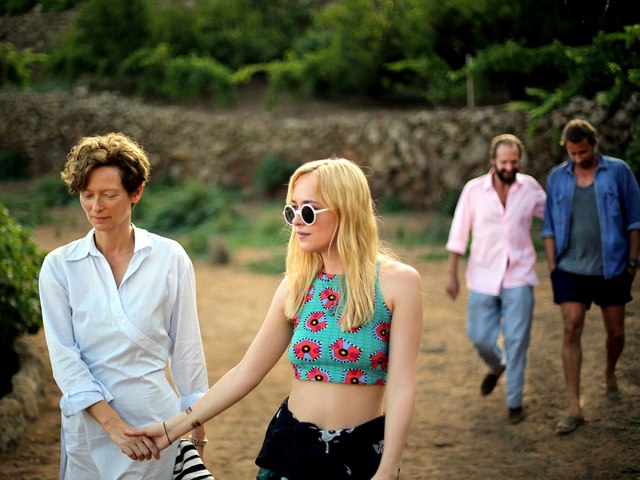
A colourful stab of energy and observation. A Bigger Splash has a bit of a personality crisis. At times it is incredibly controlled and stylish and at others it is loose and rambling. At first I struggled with the contrast but grew to enjoy it when I realised the aesthetic mismatch was intentional. There’s a Godardian sense of chaos within the real and the sudden jolts of subjective filmmaking – POV shots, jump cut reactions – are exciting. When your main characters are a rock star, filmmaker and record producer you expect a certain level of extravagance but director Luca Guadagnino is smart enough to offset it with some thematic nerve endings.

The performances are all grounded in a black hole of emotion and exert them in their own individual ways. Tilda Swinton, as the rock star on voice-rest due to a recent operation, is mostly mute – an inspired move which allows the planet’s most otherworldly star to make primary use of her face and body language. Ralph Fiennes gives one of his most riotous performances showcasing vulnerability and misjudged confidence in equal doses. Both Swinton and Fiennes are paired up with a younger companion, Matthias Schoenaerts for Swinton and Dakota Johnson for Fiennes. They are marginally less interesting than their older co-stars but remain fascinating. Johnson especially surprised me. She flexes muscles I haven’t seen from either her rom-com or Fifty Shades work. Despite her skimpy clothing and abundance of leering close-ups thrown in her direction, she proves to be much more than just a pretty face. In fact, her looks are little more than a smoke screen. There’s a soaking of sex-appeal across the board and loaded glances, bared flesh and quenched passions trigger an undercurrent of jealousy and competition between the quartet that becomes increasingly insidious as the film progresses. I didn’t see the third act coming but it’s clear there’s no other outcome for this story.

A Bigger Splash has a great sound too. The extended use of Harry Nilssons “Jump Into the Fire” inspired mixed emotions from me. I can never hear that song and think of anything but GoodFellas but it is utilized so well here and introduced at various, inspired points in the story that I might just be able to get over Guadagnino re-purposing a song already christened by cine-God Scorsese. Plus any film that makes you want to go out and buy an original copy of The Rolling Stones’ Emotional Rescue LP must be up to all kinds of mischief. The only thing better? St. Vincent’s cover over the end credits. I haven’t stopped listening to it since.

I really dug this. It’s infectious and entertaining with performances to match. The film makes tonal leaps and character shifts with a crazed confidence which is something I always respond to and has a stylistic groove I, ultimately, got on board with. I’ve never seen La Piscine (the 1969 movie this one is based on) but more than anything A Bigger Splash made me want to finally see Guadagnino and Swinton’s previous collab I Am Love. Nice.

Posted in Movies Watched In 2016, Reviews | Tagged , , , , , | Leave a comment